nurse at home

nurse at home

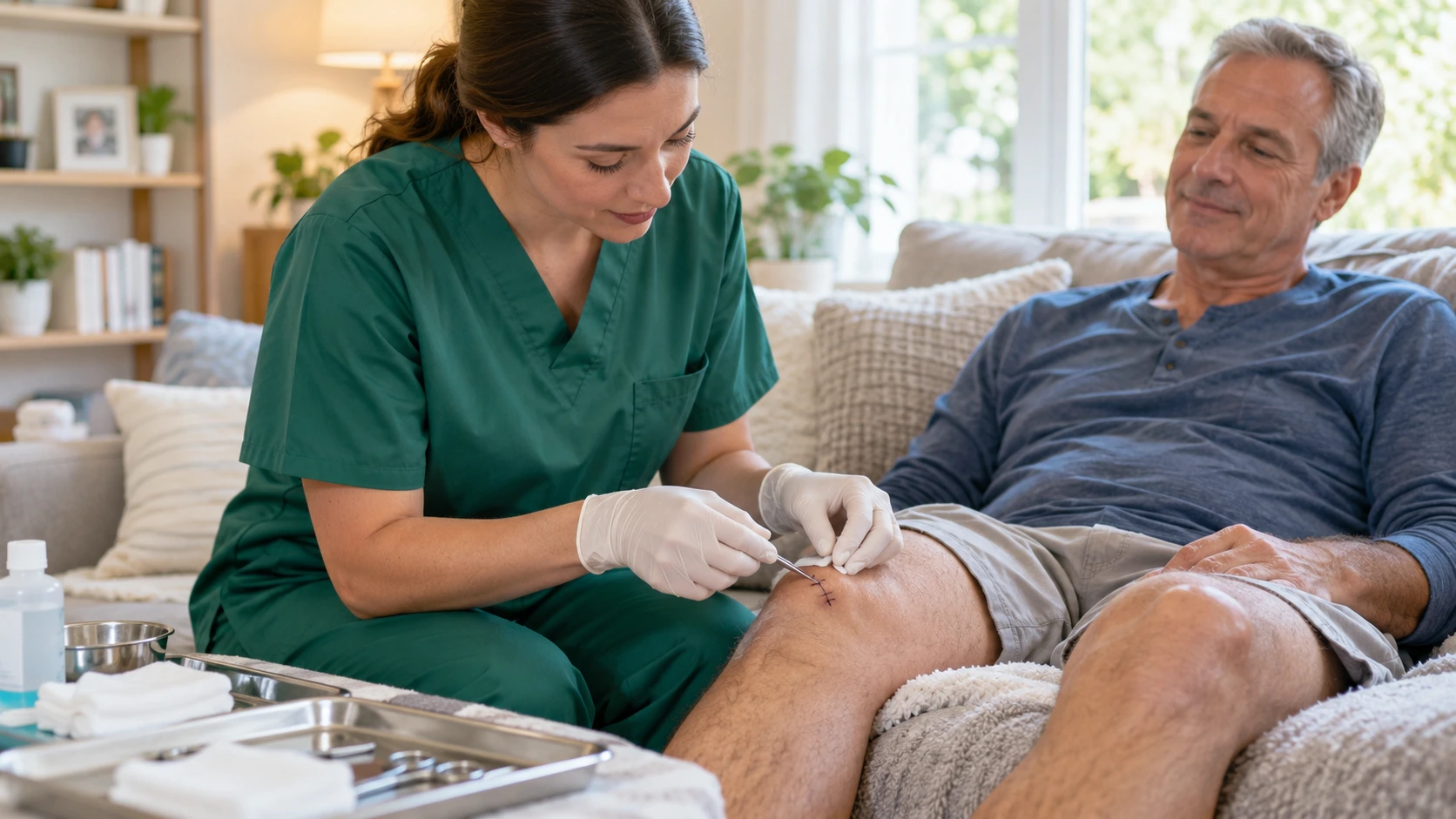
Suture and Staple Removal at Home — Safe Removal of Stitches and Surgical Staples

After surgery, injury, or wound treatment, patients may have stitches or surgical staples that need to be removed after a certain period of healing. Although this may seem like a simple procedure, it requires caution, hygiene, and proper assessment of the wound. Removing stitches or staples too early may cause the wound to reopen, bleed,

Viral Season and IV Infusion at Home — When May Intravenous Fluids Be Needed?

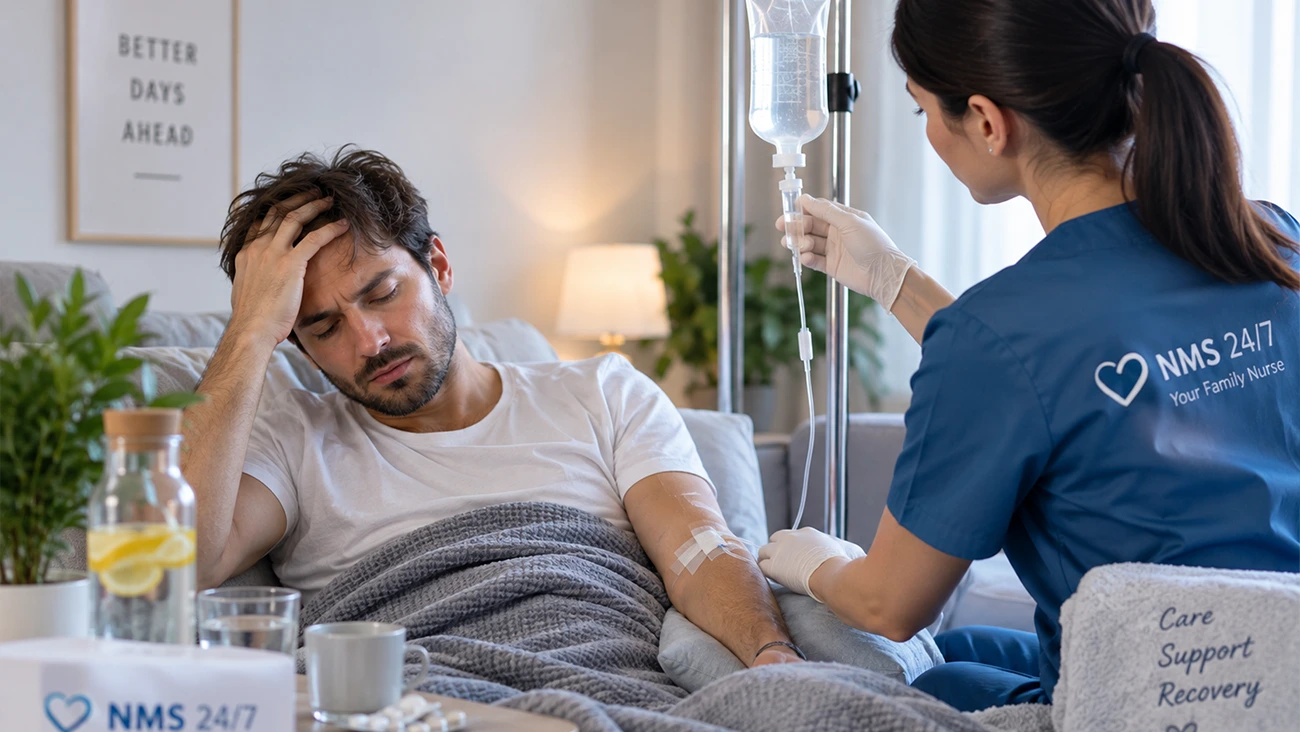
During autumn and winter, as well as during periods when seasonal viruses become more active, patients often experience weakness, fever, vomiting, diarrhea, loss of appetite, dizziness, and difficulty drinking enough fluids. In such cases, one of the main risks is not only the viral infection itself, but dehydration. When the body loses fluids through vomiting,

Alcohol Intoxication and Hangover — IV Infusion at Home and Nursing Support

After drinking alcohol, the body may experience weakness, headache, nausea, vomiting, dry mouth, dizziness, dehydration-related discomfort, and general fatigue. This condition is commonly referred to as a hangover. However, it is important to distinguish between a regular hangover, alcohol intoxication, and a condition that develops after prolonged alcohol consumption. In everyday language, this prolonged drinking

Rotavirus and Enterovirus — When May IV Infusion at Home Be Needed?

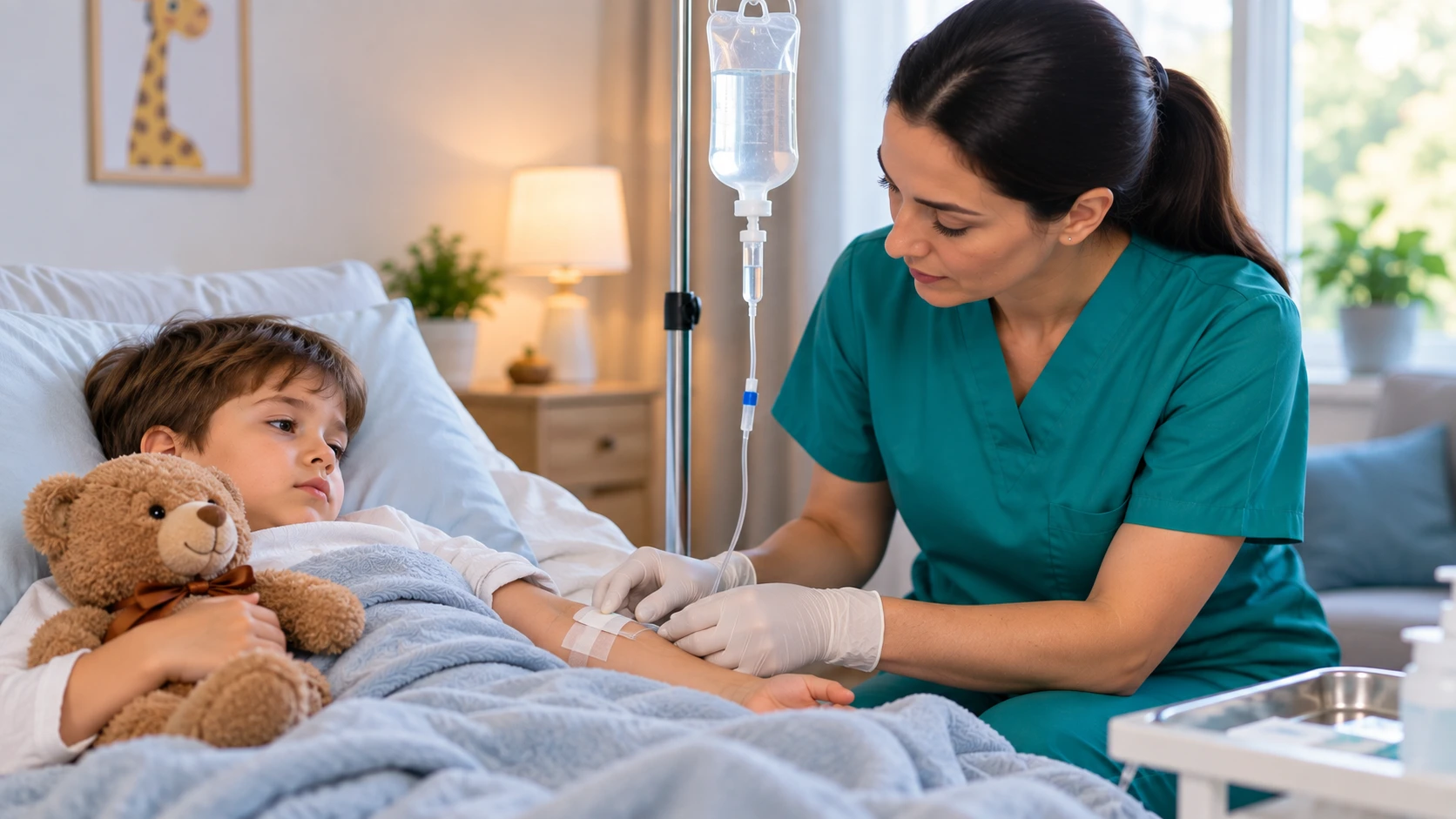
Rotavirus and enterovirus are viral infections that may cause gastrointestinal symptoms such as diarrhea, vomiting, abdominal discomfort, weakness, fever, and general fatigue. In many cases, the illness is mild, but fluid loss may lead to dehydration in some patients. Special attention is needed for children, elderly patients, weakened individuals, and people with chronic medical conditions.

IV Infusion for Alcohol Intoxication and Hangover — When May Home Nursing Support Be Needed?

After drinking alcohol, the body may experience dehydration, weakness, headache, nausea, vomiting, dry mouth, and general fatigue. This condition is commonly called a hangover. However, it is important to distinguish a regular hangover from alcohol poisoning. Severe alcohol intoxication can be life-threatening and may require emergency medical care. NMS 24/7 — Your Family Nurse provides

Postoperative Care at Home — How Does a Nurse Help the Patient Recover?

The recovery period after surgery is just as important as the operation itself. During this stage, proper care, hygiene, wound monitoring, following the doctor’s instructions, and observing the patient’s condition are essential. For many patients, the most challenging stage begins after returning home from the clinic. The patient may need wound dressing changes, monitoring of

Bladder Catheterization at Home — When Is It Prescribed and How Is the Procedure Performed?

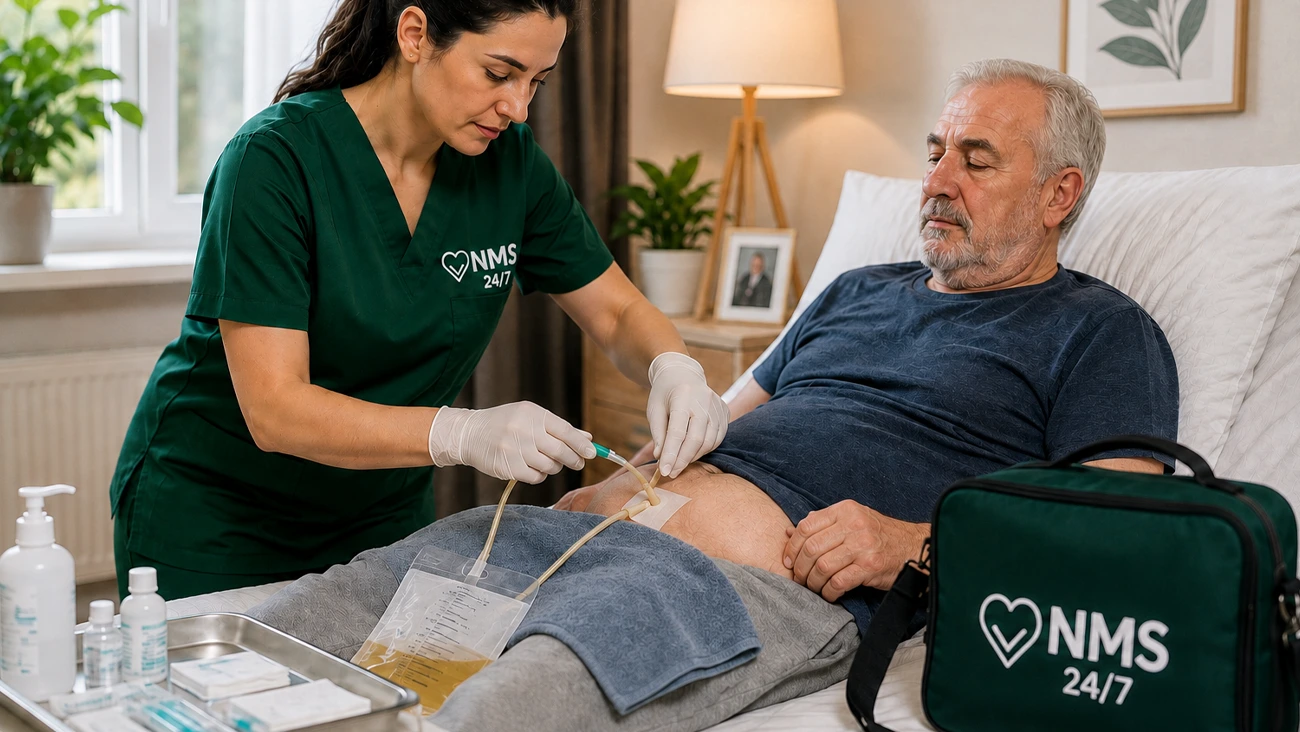
Bladder catheterization is a medical procedure in which a special catheter is placed into the bladder to help drain urine. The procedure may be needed in different medical situations, but it should always be performed only according to a doctor’s prescription and by qualified medical personnel. Home catheterization is especially relevant for patients who have

Pressure Ulcer Care at Home — Prevention, Treatment and Daily Nursing Support

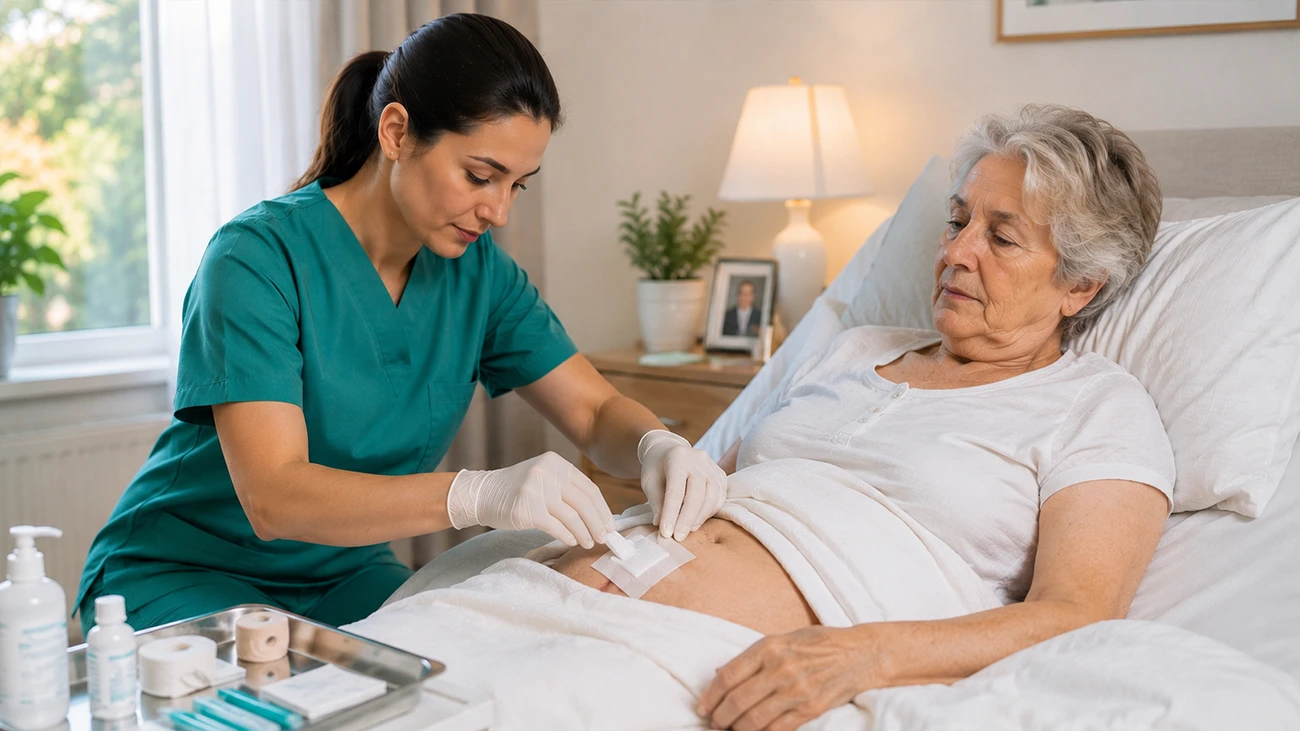
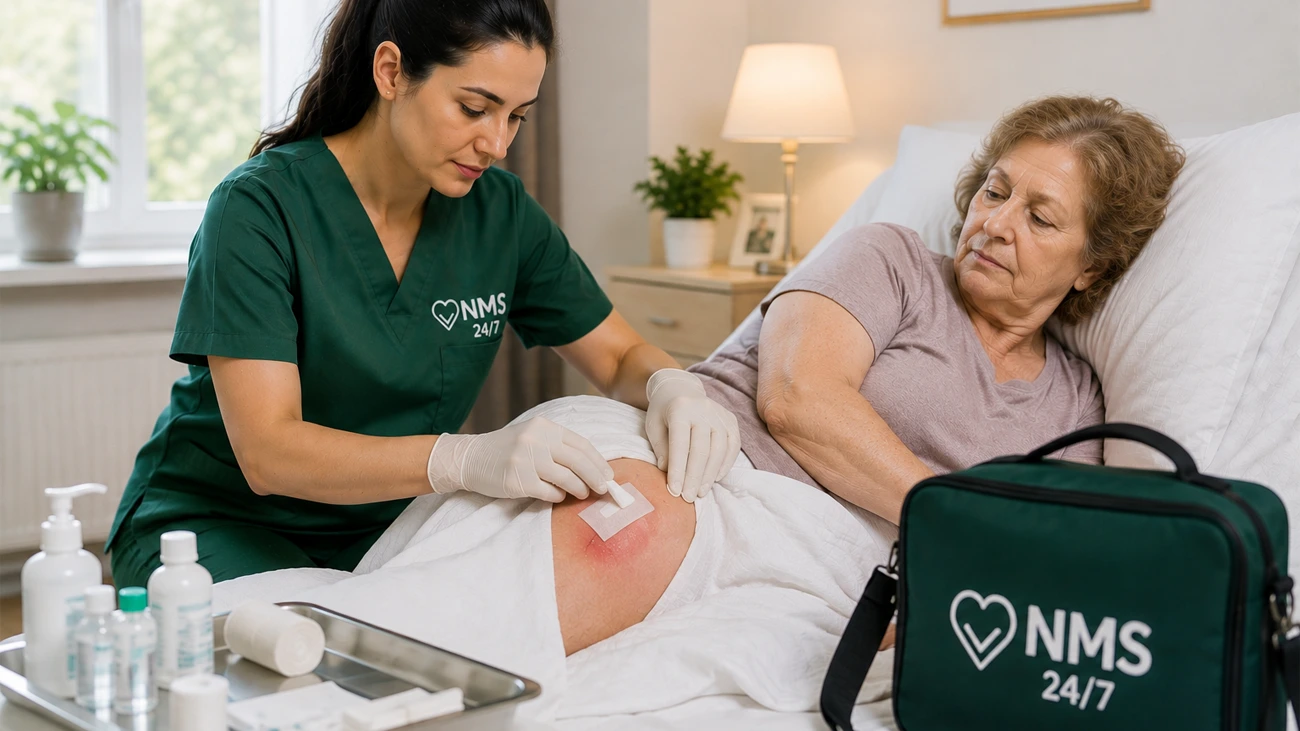
Pressure ulcers, also known as bedsores or pressure sores, often develop in patients who spend long periods in bed or in a chair and have difficulty changing position independently. This issue is especially important for elderly patients, post-surgical patients, palliative patients, paralyzed patients, and people who require long-term care. A pressure ulcer should not be

Wound Care and Dressing Change at Home — Why Is Professional Care Important?

Proper wound care and dressing change are important nursing procedures that can directly affect the patient’s recovery process. A wound may appear after surgery, injury, trauma, burns, or other medical conditions. In such cases, it is important that care is provided correctly, cleanly, and professionally. For many patients, visiting a clinic can be difficult. Limited

Injection at Home — Safety of Intravenous, Intramuscular and Subcutaneous Injections

Injection is one of the most common medical procedures, but its routine nature can create a false sense of simplicity. Intravenous, intramuscular, and subcutaneous injections should always be performed only according to a doctor’s prescription and by qualified medical personnel. For many patients, visiting a clinic may be difficult due to age, weakness, limited mobility,

Go to Top